
Fencing for your Perth rental is a bit like picking a surfboard – it needs to handle the heat, look good, and keep you stoked. A fence is more than a boundary; it’s the first thing tenants see when they pull up, a safety net for kids and pets, and a bit of privacy for backyard BBQs.
In Perth’s scorching sun and salty winds, you want a fence that won’t peel, rust or crumble – while also suiting your tenants’ needs (and your wallet). I’ve helped mates and clients sort out rental fences for years, so let me take you through the rules, materials, and design tips to make sure your next fence is a winner.
Know the Rules: Perth Fence Regulations
Before you chase fanciful designs, remember that Perth councils have rules. Front fences (the ones facing the street) are usually limited to 1.2 metres high if solid, or up to 1.8 metres if they’re more than 50% see-through.
Corner lots and driveways have extra visibility rules, so solid fences there often top out at 0.75m unless they step back a bit. Check your local council website (City of Perth, Joondalup, Stirling, etc.) for specifics. A safe bet: if you’re over 1.8m anywhere, you probably need a permit.
For fences along the side or backyard, 1.8 metres is generally OK without a fuss. And remember the Dividing Fences Act (WA): if your fence sits on the boundary, neighbours share the cost of a “sufficient fence” (usually 50/50).
If one of you wants something fancier (say, a rendered brick wall instead of a standard fence), you cover the extra. In practice, a quick, friendly chat with next-door often solves any squabbles before the law steps in.
If there’s a pool or spa, non-negotiable rules kick in. Western Australia requires a compliant 1.2m high barrier with no gaps bigger than 100mm, a self-closing gate, and a clear non-climbable zone of 900mm around it. (The WA Government’s swimming pool safety guidelines have all the details.)
Landlords must provide and maintain these barriers; tenants must keep them clear of clutter and report any damage. If you’re renting to a family, make sure that pool fence is rock-solid or you could be in hot water (literally).
What’s the Fence For? Tenant vs. Landlord Priorities
Alright, you’ve got the legal basics sorted. Now figure out the goal: Why does your rental need a fence? Chat with your tenant (or imagine yourself in their shoes). Common priorities:
- Privacy: A solid or semi-solid fence can hide backyard BBQs from prying eyes. Tenants love a backyard sanctuary.
- Security: A sturdy fence is a great deterrent for would-be intruders. If the rental has kids or a dog, a fence is non-negotiable.
- Pet/Kid safety: Bounce-proofing the yard means no stray balls on the road and no pup escapes.
- Noise reduction: If you’re on a busy street, a high fence (with absorbent materials) can muffle traffic.
- Aesthetic appeal: First impressions count. A neat picket or sleek slatted fence boosts curb appeal and (hopefully) rent.
You might even use a bullet list here to break up ideas:
- Boundary clarity: Avoid disputes by clearly marking where your land ends (remember you might split costs with your neighbour via the 50/50 rule).
- Pool safety: If there’s a pool, fence it properly. No cutting corners here.
- Garden protection: Tall fences can keep out nosy neighbours and clever critters (bye-bye foxes).
Balancing these needs is key. For example, full privacy (solid panel) is great for seclusion and noise blocking, but some councils won’t allow it over 1.2m tall in front. So in the front yard, you might compromise with a picket or slat fence that’s up to 1.8m tall but lets some light through (and meets the visibility rule on corners).
For a side or rear boundary, you can usually go the full 1.8m solid if that’s what tenants want. Always double-check council rules — different Perth suburbs have their own nuances (and some estates have design codes on colours or style).
Remember: As the landlord, your brand is on the line. A ramshackle fence makes even a sweet rental feel shabby. Conversely, a crisp, well-chosen fence can boost the kerb appeal and even justify a tiny bump in rent. It’s a balancing act: you pay for it up-front (or share it with a neighbour), and your tenant enjoys the privacy and security, while you enjoy lower maintenance headaches later.
Materials Matter: Durability vs. Budget
Perth’s climate is no joke. Harsh UV, scorching summers and coastal salt air can kill a fence faster than a sideways summer squall. I always say: upfront, cheaper materials might save you a buck or two, but they could cost you in upkeep and replacements down the track. You want a fence that shrugs off the weather – especially for a rental, where you want minimal repair calls.
Colorbond Steel:
A true Aussie fave. Made to handle outback heat, it comes in heaps of colours and never needs repainting – the paint is baked in. It’s fire-resistant too, so bonus for bushfire-prone areas. A Colorbond fence gives you a solid wall (great for privacy and noise deadening) with almost zero maintenance aside from a quick clean now and then. We’ve seen Colorbond hold up a decade with hardly a scratch.
Aluminium Slats:
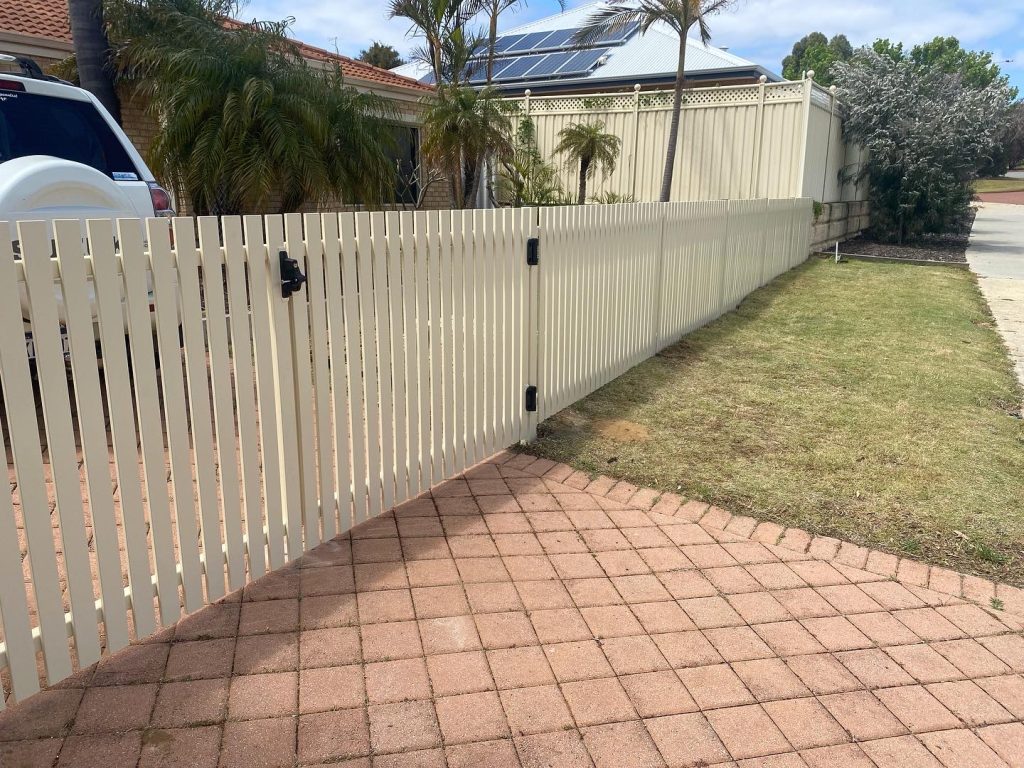
Lightweight but tough. Powder-coated aluminium won’t rust or corrode, so it’s ideal even near the beach. Modern slat fences (horizontal or vertical aluminium strips) look so sharp and can be tailored for full privacy or partial screen. In fact, a premium aluminium fencing is one of my top picks for Perth rentals.
It comes in many finishes (even wood-look!), is virtually zero maintenance, and ages beautifully. My mate Nick installed one at his rental, and the tenants only had to hose it down twice a year to keep it looking like new. Plus it gives a real modern edge without the worry of warping or termites.
PVC (Vinyl) Fencing:
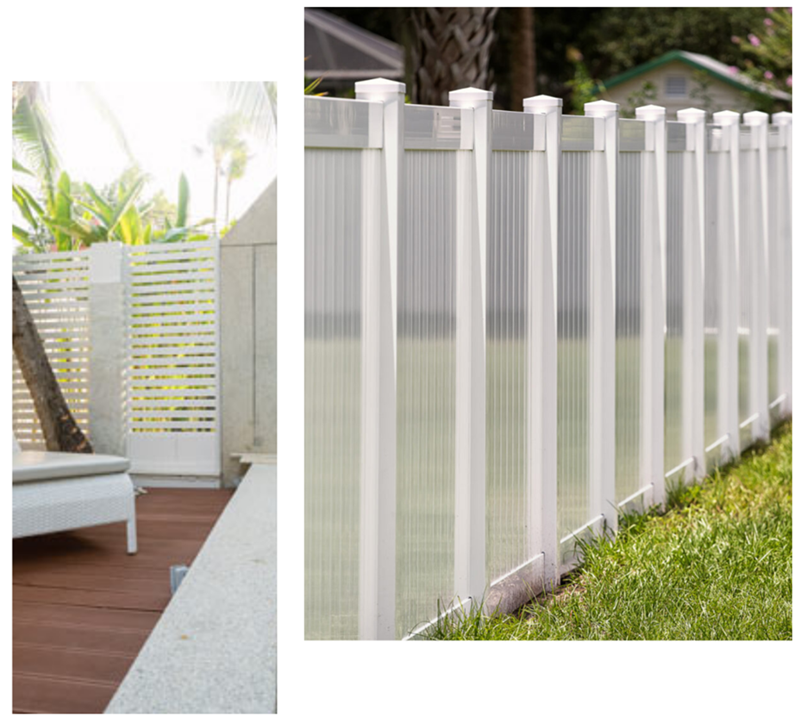
Think of it like plastic pickets on steroids. PVC fences resist rot, termites and UV damage (and they won’t ever rust). They can mimic a Hampton’s style white picket or a full privacy panel. For a rental, PVC is a solid choice if you want a sweet look without constant painting. Just know that super-cheap PVC can yellow over decades; choose a quality product rated for Aussie sun.
Timber (and Wood-Composite):
Classic look, but proceed with caution. Hardy Australian hardwoods (like jarrah or treated pine) still warp or need sealing/painting every few years under the Perth sun. Cedar looks gorgeous at first, but can fade and split in heat and requires oiling.
If the budget is tight, treated pine paling is cheapest, but its longevity is limited; you’re looking at repainting or repairing it perhaps every 2–5 years. Wood composites (like Trex) and Premium hardwoods are more durable but pricier. Generally I advise landlords: if you go timber, pick a durable hardwood and seal it, or else you’ll be back on the tools too soon.
Brick/Masonry:
Robust and low-maintenance – a painted or natural brick fence will last ages and give top-notch security and sound-blocking. The downsides? It’s expensive to build and needs an engineer/builder (especially in Perth due to soil and design standards). Often not the first choice for rentals unless the aesthetic really fits the property or it’s part of the original architecture.
Glass Fencing:
Only for pool areas (to comply with pool laws) or for a super open design. It looks stunning, but in a rental I’d hesitate: it’s pricey and requires regular cleaning to stay crystal-clear. For a slick modern pool fence it’s great, but outside a pool you won’t see it used much.
So, what’s best for Perth rentals? Usually Colorbond or aluminium. Both cut down on maintenance calls and stand up to heat and corrosion. Colorbond panels are great for full privacy, especially in backyards. Aluminium slats are perfect for a contemporary vibe and partial screening – and they’re gloriously low-maintenance. PVC is a niche pick if you want that bleached-white Hamptons look. Timber is classic but expect some elbow grease down the line.
Style and Trends: Make It Pop
Even though it’s a rental, you don’t have to sacrifice style. Tenants notice details. Here are a few modern trends Perth folk love:
- Vertical or horizontal slats: A timber-look aluminium slat screen can give a fresh, Scandi-meets-Aussie feel. Using powder-coated black or charcoal slats on a crisp white wall (or vice versa) is so on-trend.
- Bold colours: If your property has a bit of character (maybe an older weatherboard or a funky brick), why not echo that in fence colour? Colorbond comes in dozens of hues. A deep blues or greys can look very sharp. Just be sure it’s OK with your council or strata regs.
- Mixed materials: Brick piers with Colorbond panels between them, or a half-wall & half slat design. This breaks monotony and can be easier to repair piece-by-piece.
- Gates as accents: If there’s a front gate, a decorative metal or wood-effect gate can be the stylish cherry on top. It’s like a fancy front door for your yard.
- Low maintain landscaping: Planting a native hedge along the fence (think wattles or lilly pilly) adds greenery and privacy. Choose Aussie natives that won’t grow too big or need constant pruning.
No matter the style, aim for something cohesive. If your house is 1950s cream brick, a red brick and cream picket fence might suit. If it’s a fresh modern build, a sleek dark metal slat fence will complement it perfectly.
Even if you’re not feeling creative, Pinterest and Houzz have tonnes of Aussie inspiration – just search for “Perth fence design” or “aluminium slat fence Perth” and you’ll see how designers play with height, texture and colour. The goal is a fence that says “well cared for” rather than “budget thrown-up fence”.
Installation and Budget: Putting It All Together
Now let’s talk dollars and sense. Fence costs vary widely depending on material, height, length, and slope of your land. As a ballpark, installed Colorbond might run around $60–$80 per linear metre (all up, including posts and labour).
Powder-coated aluminium slat fencing is in a similar range, especially for simple designs; fancy extras (like gates or lighting) add on. Timber paling is cheaper per metre (sometimes $40–$60) but factor repainting or replacement costs every few years. Bricks could be $200+ per metre. Always get at least three quotes from local installers – they know hidden costs like permit fees or rock removal.
For a rental, I stress the long game. Don’t opt only on up-front cost; ask yourself how often that fence will need fixing. A cheaper fence might cost half as much now but need replacement in 5 years, while a more durable fence lasts 10–15 years with little work. Over a 10-year span, the pricier steel or aluminium fence often ends up cheaper in labour and hassle. Tenants will thank you (and keep from breaking it), and your wear-and-tear costs stay low.
Maintenance:
Make it clear in the lease who handles routine stuff (tenants usually just keep vines off the fence, etc.). But big repairs (a fallen panel, a broken gate latch) are the landlord’s job. I always advise, write into the agreement that the landlord will supply safe and working locks, latches and fence. That way if the gate squeaks or a board loosens, you know it’s on the owner to fix.
When installing, hire a reputable local fencing company. One team can manage permits, dig holes to the right depth (important in shifting soils), and ensure your fence is straight and true. Ask them to check property lines and levels first; a common tenant complaint is when a “bouncy” post or leaning fence keeps rolling. A well-installed fence with concrete footings can easily last 20+ years.
Conclusion
Choosing the right fence for your Perth rental is a smart blend of compliance, practicality and style. Start by nailing the why: define the fence’s purpose (privacy, security, aesthetics) and check your council’s height and material rules.
Then pick a material that thrives in Perth’s climate – Colorbond steel, powder-coated aluminium, or quality PVC top the list for low maintenance. Think about your tenants’ needs (kid-safe, pet-proof, or modern looks) and your own budget. Remember, the cheapest quote now might be the priciest decision later if the fence needs replacing too soon.
By investing in a durable, well-designed fence, you’re actually boosting your rental’s value and reducing headaches. Plus, tenants appreciate living in a place that’s secure and well cared for.
Now’s the time to act: whether it’s chatting with a fencing pro or logging onto your local council’s site for regs, take the first step. A sturdy fence means peace of mind for you and a safe, happy home for your tenants. Ready to lock in that fence project? Reach out to a fencing specialist for a quote or drop a comment if you have questions. Your rental deserves it!
Frequently Asked Questions
Q: How high can I build a fence in Perth without a permit?
A: For most Perth suburbs, a solid front fence is limited to 1.2 m (about chest-height) without approval. If it’s 50% open (like pickets or slats), you can usually go to 1.8 m in the front. Side and rear fences are generally allowed up to 1.8 m without a permit. Councils vary, so double-check your area’s specific rules before building.
Q: Who pays for repairing or replacing a fence at a rental?
A: Typically, the landlord is responsible for ensuring the fence stays in good condition (unless a tenant or their pet breaks it). If the fence is on a boundary, the WA Dividing Fences Act says neighbours share the cost of a “sufficient” fence 50/50. In practice, landlords usually handle maintenance, but it’s wise to clarify this in the tenancy agreement.
Q: Is Colorbond or aluminium fencing better for Perth’s weather?
A: Both are excellent choices. Colorbond steel is ultra-durable, fire-resistant and gives full privacy; it stands up to sun and salt with a baked-in paint finish. Powder-coated aluminium (especially slats) is rust-proof, lightweight and modern-looking. It won’t corrode at the beach or warp in heat. The best pick depends on your style and privacy needs; you really can’t go wrong with either in Perth.
Q: Can a tenant install a new fence or alter the existing one?
A: Tenants generally need landlord permission to install or change a fence. Fences are considered a permanent fixture. A landlord must approve any alterations (and organise permits if needed). However, tenants should report any damage or safety issue with the existing fence immediately – it’s the landlord’s job to fix urgent faults (e.g., a broken latch or leaning post).