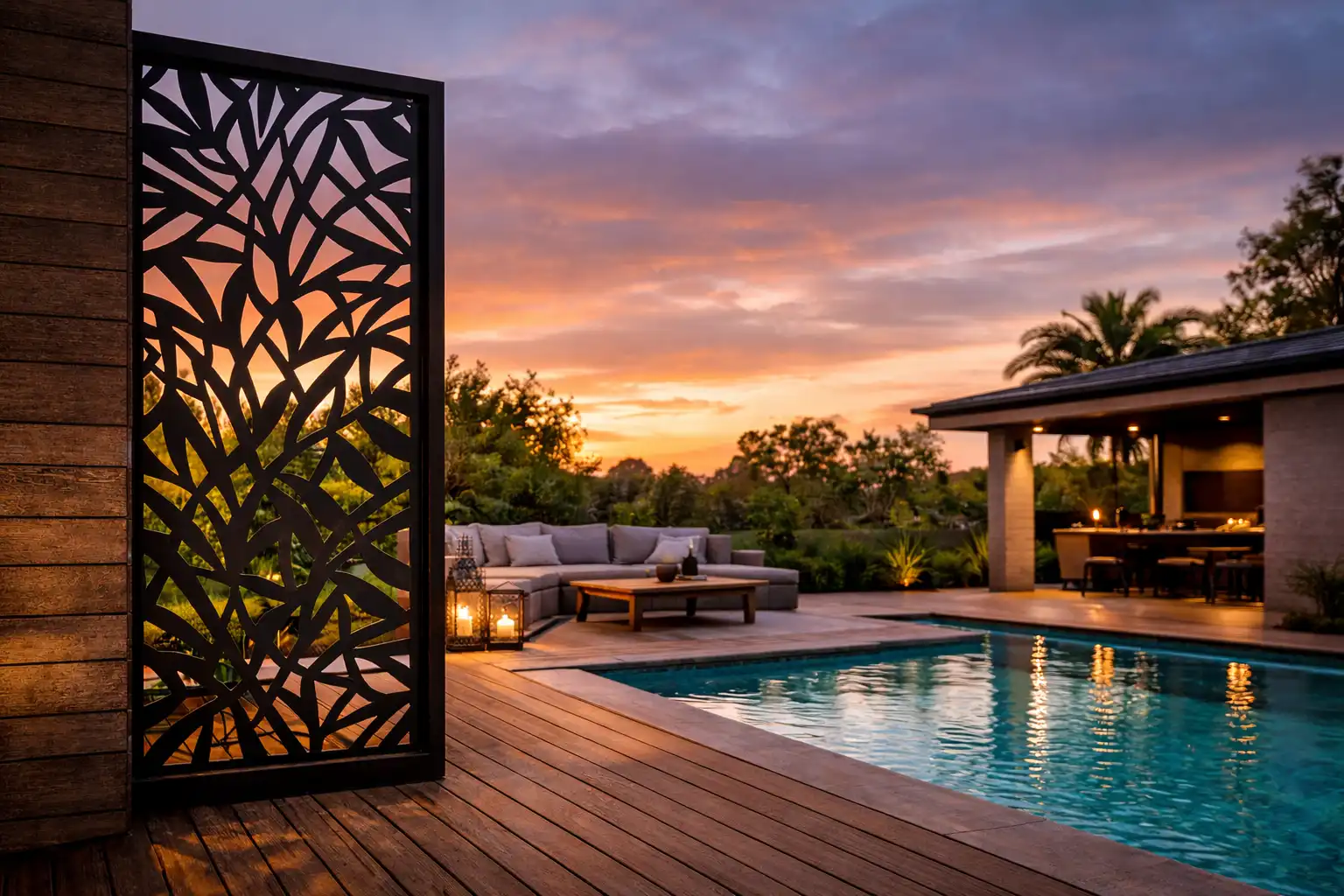
Picture this: it’s a sunny Perth afternoon and you’re hosting a barbecue when a breeze carries your neighbour’s conversation right into your yard. You want a stylish screen that gives you some seclusion without blocking all the light or airflow. That’s where laser cut privacy panels come in – a decorative, patterned alternative to a plain solid screen.
These metal screens are cut with precise patterns, so they can provide partial privacy, filtered light and a design feature at the same time. How much they cost depends on the material, size, pattern complexity, finish and installation, so it’s worth getting a quote based on your actual project.
In this guide, we’ll break down what to look for – materials, styles and installation checks – so you can decide whether laser cut privacy panels suit your Perth home.
Why Laser Cut Privacy Panels Suit Perth Outdoor Living
Outdoors is where Aussies love to be, and Perth properties thrive on indoor-outdoor flow. Laser cut privacy panels fit that lifestyle. They can create a more private nook in your yard or patio without feeling closed in. Depending on the pattern, they reduce views through the screen while still letting some breeze pass through and casting shadows that change with the sun. Unlike a solid wall, they can soften harsh light and reduce wind without shutting off the outdoors.
Panels come in geometric shapes or nature-inspired motifs (think eucalyptus or banksia leaves), so they can complement an Aussie garden setting. Pair them with screening plants such as Lilly Pilly and you can get a softer, layered look.
From the street front to a courtyard or alfresco area, a laser cut panel can be an eye-catching feature and a practical screen in one. They’re commonly used as decorative fence infills, pergola walls, balcony screens or garden gate panels.
Key Benefits of Laser Cut Privacy Panels
For Perth homeowners, laser cut privacy panels can offer more than basic screening:
Privacy with Style:
The main goal is privacy, but a patterned screen can also act as a feature. Denser patterns hide more of your space; more open patterns trade some privacy for light and airflow.
Customisation:
Many fabricators offer a range of standard patterns and can adjust size, material and finish, and some will produce bespoke designs. Ask what’s available, what lead times apply and whether the pattern you like suits the size and strength your panel needs.
Light and Air Flow:
These panels are breathable partitions. Even fairly dense patterns let some light and air through. They can also work as sunshades – cutting glare while letting softer light filter through and creating dappled shade on a patio.
Durability:
Perth’s weather can be tough on outdoor materials (strong summer sun and, closer to the coast, salt-laden winds). Durability depends on the material, its grade and coating, how well it’s fabricated and installed, and how close you are to the coast. Powder-coated aluminium is lightweight and corrosion-resistant. Stainless steel performs well outdoors when a suitable grade is chosen for the location. Corten (weathering) steel develops a protective rust-coloured patina, but check its suitability with your supplier before using it close to the coast. Ask your supplier for the warranty and care instructions that apply to your chosen product.
Lower-Maintenance Materials:
Metal panels don’t rot and won’t be damaged by termites, and many metals are recyclable at the end of their life. The care needed still depends on the material and finish, so check the supplier’s maintenance guidance.
Multi-purpose Function:
Besides privacy, laser cut panels help define space. Use one as a decorative fence infill, a divider between patio zones, or a backdrop for plants. They can turn a bland concrete wall into a feature that lifts the look of an outdoor area.
Material Options for Laser Cut Privacy Panels
For outdoor laser cut privacy panels in Perth, choosing the right material helps your screen suit the site and look good for longer. Here’s a general comparison – always confirm the specific product’s specifications and warranty with your supplier:
| Material | Pros | Cons | Often chosen for |
| Corten (weathering) steel | Rustic patina; no paint finish required; strong and rigid. | Heavy; rust run-off can stain nearby paving or walls while the patina forms; check suitability for coastal sites. | Bold, earthy look; feature screens. |
| Aluminium (powder-coated) | Lightweight, corrosion-resistant, available in many colours. | Softer metal (can dent); thinner sheets may need framing for stiffness. | Modern style; colour matching; coastal suburbs. |
| Stainless steel | Durable and sleek; good corrosion resistance when the right grade is used. | Usually the most expensive; silver finish unless coated. | Minimalist designs; harsher coastal exposure (with a suitable grade). |
| Timber/Composite | Warm, natural look; softer aesthetic. | Fewer pattern options; timber can warp or rot if not sealed and maintained. | Indoor screens or very sheltered outdoor areas. |
Material tip: Pick based on style, sun exposure and how close you are to the coast. Love rust colours? Corten may suit a sheltered spot. Want a pop of colour or a lighter panel? Powder-coated aluminium is worth a look.
Designing and Customising Your Laser Cut Privacy Panels
One of the most enjoyable parts of choosing laser cut privacy panels is picking the pattern. Whether you want a subtle backdrop or the star of the show, there’s a design to match. Here are some ideas:
- Botanical or Nature Themes: Leaves, flowers or trees (native designs like banksia or gum leaves look right at home in Perth).
- Geometric Patterns: Clean lines, angles or abstract shapes for a modern feel.
- Cultural/Artistic Motifs: Some homeowners commission designs from Aboriginal artists or use personal symbols for a meaningful touch (use cultural designs only with the artist’s permission).
- Bold Graphics: Silhouettes (like a skyline or animal), personal monograms, or a bushland outline.
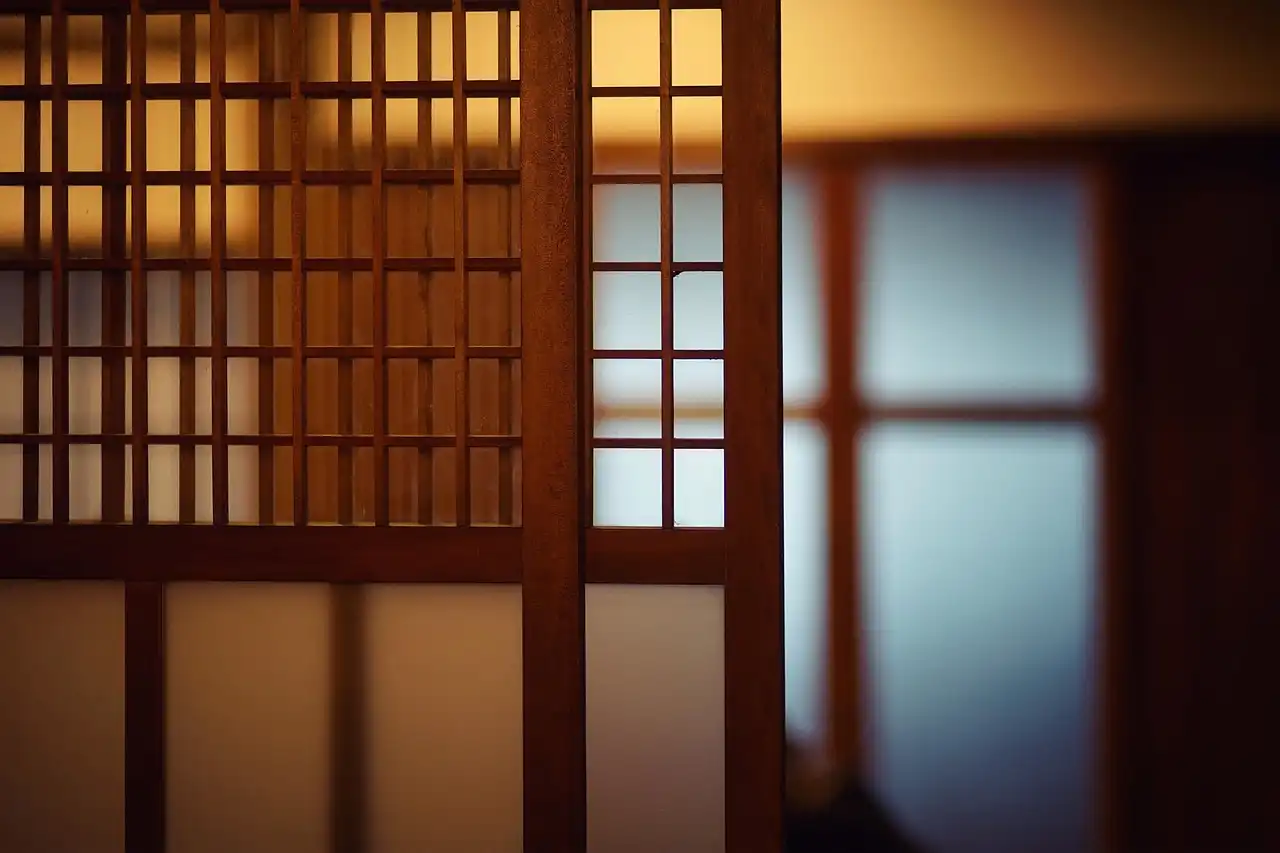
In practice, a well-chosen pattern makes your panel part sculpture, part screen. Many fabricators can show you a digital preview of the cut-out design before production.
A local fabricator may be able to modify a standard pattern or create a bespoke design. Remember that pattern density affects function: tighter cuts mean more privacy (and shade), while open designs let more light and air through.
Laser cut privacy panels often sit next to plants or furniture. You could train climbing plants at the base, or use the pattern with outdoor lighting for a night-time effect. Think of each panel as an accent piece: a run of leafy motifs, for instance, can turn an alfresco dining area into a more private garden corner.
Installation and Maintenance of Laser Cut Privacy Panels
Before installing laser cut privacy panels, check the planning and boundary rules that apply to your property in Western Australia. The Department of Planning, Lands and Heritage provides guidance on residential development, and your local council can confirm what applies to your lot.
Getting the panel in the right spot and keeping it looking good both matter. Here are some pointers:
Mounting:
Laser cut panels are typically fixed to sturdy posts or framed into a fence, wall or freestanding structure. Check whether you need new posts or can attach to an existing frame, and make sure the structure is suitable for the panel’s weight and wind loads. A professional installer can make sure the panel is level and secure.
Council and Boundary Rules:
Fence and screen height limits are generally set by local councils and planning requirements rather than one Perth-wide figure, and front-yard (street-facing) structures often have different rules from side and rear boundaries. Check with your local council before adding tall screens. If a panel will form part of a fence shared with a neighbour, read the WA Government’s dividing fences guide and agree the plan with your neighbour first.
Cleaning:
Most metal panels are simple to keep clean. Hose them down or wipe them with mild soapy water to clear dust and salt, following the supplier’s care instructions. If you choose Corten steel, it will weather to a patina – consider how nearby concrete, paving or render could be affected by rust run-off while it forms.
Paint/Finish:
The finish affects both the look and the care required. Powder coating offers a wide colour range; ask your supplier about UV and coastal performance for the specific coating. Corten’s rust look needs no paint at all. Remember that lighter and darker finishes will look different in strong Perth sun, so view samples outdoors if you can.
Pool Areas:
If a screen will be near a pool, or could form part of a pool barrier, it must meet Western Australian pool safety barrier requirements – a decorative panel is not automatically compliant. Pool barriers need building approval and are inspected by local government. Read the WA Government’s swimming pool and spa safety barrier requirements and confirm compliance with your local council or a qualified professional before installation.
Conclusion
Laser cut privacy panels bring together eye-catching design and practical screening. In Perth, where outdoor living matters, they can create a more private space without the heaviness of a solid wall. Pick a material that suits your site and distance from the coast, choose a pattern that balances privacy with light and airflow, and check the council and boundary rules that apply to your property before you build.
If you’re planning a new fence, gate or privacy screen, ALISLAT Fencing and Gates designs and installs custom aluminium slat fencing, screening and gates across Perth. Talk to the team about custom fence installation to work out which privacy option suits your property.
FAQ
Are laser cut panels low maintenance?
Generally, yes. Metal panels don’t rot and aren’t affected by termites, and most only need an occasional wash to remove dust and salt. Care depends on the material and finish, so follow your supplier’s maintenance guidance. Corten steel weathers to a patina and can cause rust run-off while it forms.
How long do laser cut panels last?
It depends on the material, grade, coating, fabrication quality, installation and how exposed the site is – especially close to the coast. Ask your supplier for the expected service life and warranty for the specific product before you buy.