
Have you ever been barbecuing in your Perth backyard and suddenly realized the neighbours can see everything you’re doing? Fence extensions are a clever trick to turn your yard into a private oasis, but are they worth it?
In this article we’ll walk you through why Perth homeowners are slapping lattice panels, timber slats or decorative screens on top of their fences, and what you need to know before you dive in. We’ll cover the upsides (hello, extra privacy!) and the downsides (pesky permits and neighbour approvals), plus local rules, costs, and tips for getting it right. Think of this as your behind-the-scenes guide to giving your fence a “new hat” that makes your outdoor space feel like your own private hideout.
Why Add a Fence Extension?
Fence extensions are booming in Perth. Maybe your golden retriever likes to gaze adoringly into the neighbour’s yard, or the backyard pool feels a little too exposed. A fence extender – whether it’s a lattice topper, extra timber panels or sleek metal slats – can fix that fast. Here are the big reasons to consider one:
Privacy: This is the #1 motivator. Suddenly no one can peek over to see if you’ve mastered the secret sauce recipe yet. A higher fence means you can lounge by the pool or read in your garden without feeling on display.
Security: Taller fences deter casual intruders and protect pets or kids playing outside. It’s like putting up an extra speed bump for burglars.
Cost-Effective Upgrade: Rebuilding a whole fence is expensive and disruptive. An extension “hooks” onto the existing fence structure, so you don’t pay to tear everything out. In Perth, a new 1.8m Colorbond fence can cost around $130–180 per metre, whereas adding a lattice or timber topper runs a fraction of that (see our cost table below).
Aesthetics: Tired fencing? New extensions can be a style boost. A well-chosen slatted or decorative panel can turn an eyesore into a conversation piece. (Imagine an old corrugated fence suddenly topped with crisp white lattice and cascading vines!)
Wind Block: Some extensions like solid panels or thick timber can act as windbreaks. If your patio gets blasted by the sea breeze, a few extra rows of fence sheeting could save your sun umbrella from flight.
One Perth homeowner story: I chatted with a neighbour who was losing sleep over footy fans peering in during weekend games. He installed a 300mm colorbond topper on his Colorbond fence – now he hosts barbies in blissful silence. (The neighbours? Let’s just say they weren’t invited next time.)
Popular Fence Extension Ideas in Perth
Perth yards have become design playgrounds, and fences are no exception. Here are some common extension styles Perth homeowners are loving:
Lattice Panels: A classic choice, lattice allows light and breeze through and even lets vines climb up for a green wall. (Goodbye, blank fence.) It’s decorative and a quick way to add 30–60cm of height without feeling heavy. Lattice extensions are popular because they give you privacy and airflow. Imagine morning coffees behind a white criss-cross screen with jasmine vines weaving through – voilà, secret garden vibes.
Timber Fence Extensions: For a warm, natural look, many Perth folks use treated pine or hardwood planks on top of their existing fence. Timber blends well with gardens and has a traditional aesthetic. Durable hardwoods (like spotted gum) can last 20–30 years if you stain or seal them regularly. Treated pine is cheaper (lasting about 10–15 years with upkeep) and still a solid choice if budget’s tight.
Aluminium Slats: Sleek and modern, aluminium or metal slatted extensions have shot up in popularity. They won’t rust and need almost no maintenance. Picture narrow horizontal slats stacking above a fence – it looks like a chic city balcony, even in the suburbs. These give a clean line and can raise the height by 30–60cm easily.
Decorative Screen Panels: Fancy something unique? Laser-cut metal or patterned composite panels can crown a fence with art. They block sightlines while letting dappled light through the cut-outs. This is a big trend on TV renovation shows. A well-chosen pattern or shape can turn your boundary into an eye-catching feature. (On the flip side, watch out – some neighbours might find elaborate screens a bit much!)
Each choice has its perks: timber feels homey; lattice is airy and garden-friendly; aluminium is very low-maintenance; decorative screens are bold. Often, people mix and match – for example, adding a timber or Colorbond panel below and a lattice topper for the top 30cm. It’s all about balancing view, air and style.
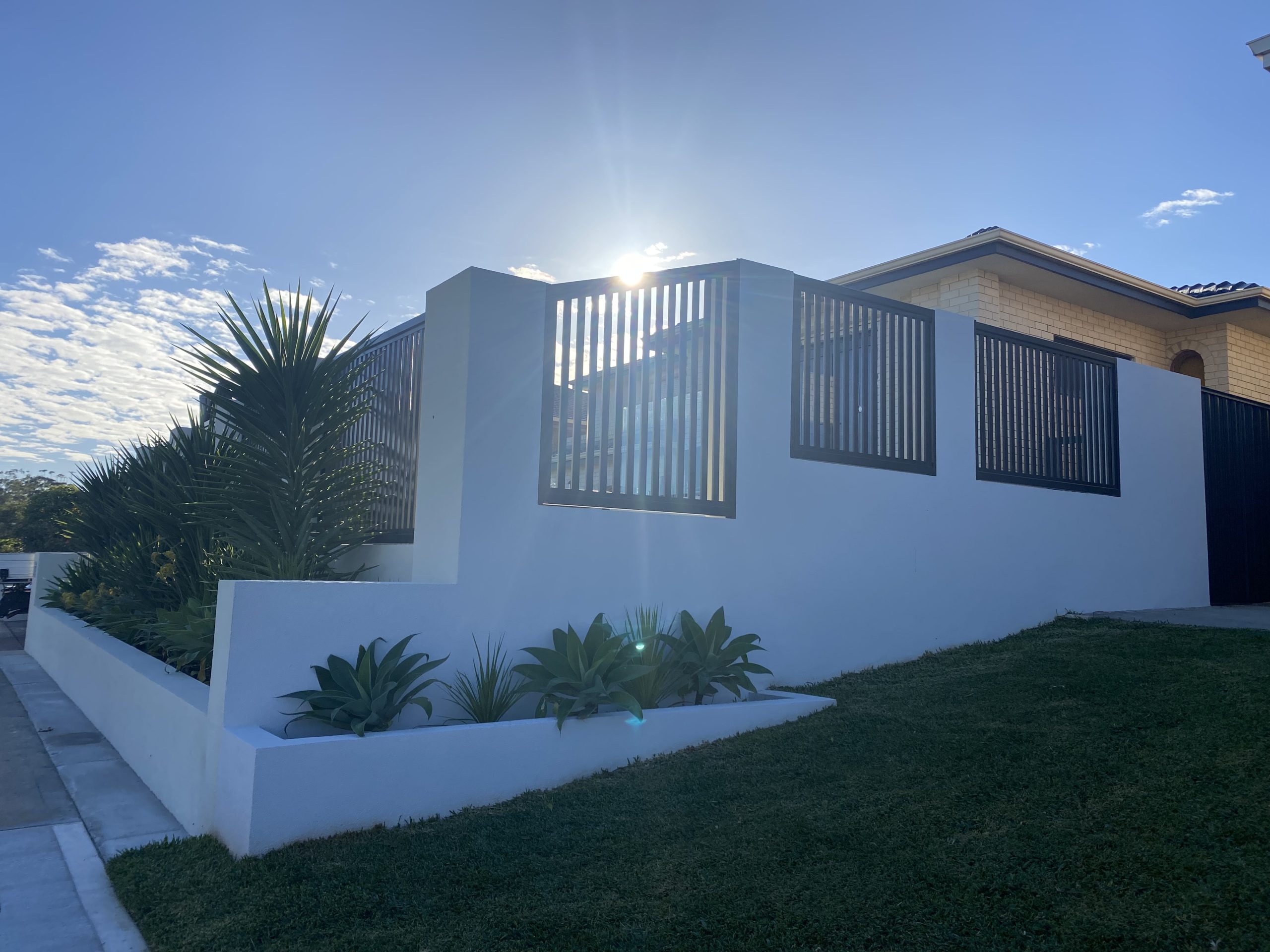
Image: Modern horizontal slat fence at a Perth home.
Image: This low concrete wall topped with horizontal timber slats shows how extensions work. It lets the owner raise the boundary without rebuilding, blending privacy and design.
Perth Regulations & Your Neighbour
Before you grab your drill, there are some Perth rules and neighbour etiquette to mind. Aussie fences are covered by local planning laws and the Dividing Fences Act 1961 (WA). Here’s the lowdown for a Perth yard:
Height Limits: On side and rear boundaries in Perth, the standard fence height is 1.8m above the higher ground. Neighbours can mutually agree to bump it to 2.1m without a permit. Going above 2.1m (up to a maximum of 2.4m) usually requires council approval. (Fun fact: if your block touches a public park or main road, you may be allowed up to 2.4m on that side with approval.) Front fences are stricter – generally capped at about 1.0–1.2m if solid (higher if you use see-through styling for the top half). Always check your specific local council’s rules.
Council Approval & Permits: In most cases, no permit is needed for a basic 1.8m side fence (non-masonry). But if you plan a 2.4m monster or live in a heritage/bushfire area, definitely see council. A quick call or website lookup can save a lot of headache. Perth councils often enforce the State’s Residential Design Codes (R-Codes), which mean transparent panels above 1.2m on street-facing fences, so e.g. a solid Colorbond gate might only be allowed up to 1.2m at the front without extra approvals.
Your Neighbour’s Say: If the fence sits on the property line, WA law treats it as a shared boundary fence. For more information on dividing-fence responsibilities and the process, see the WA Government guide to dividing fences. This means your neighbour owns half of it and shares in a “sufficient fence” cost. Importantly, if you want to upgrade the fence (say, by adding a fancy $200/m extension), your neighbour is not required to pay the extra cost – they only owe their share of a basic fence.
However, you still must get their consent to work on that dividing fence. Think of it like this: if you slap a taller topper on and they didn’t ask for it, they have zero obligation to split the bill for the new bits. So do have that chat (or hand-deliver a polite letter) before work starts. Giving written notice at least 21 days in advance is a good idea anyway.
Installation: Steps and Tips
DIY or hire a pro? Unless you’re a serious home handyman, a fencing contractor in Perth can make the job quick and sturdy (and may know exactly what permits you need). Regardless, here’s how it usually goes:
Inspect the Existing Fence: First, check if your current fence is strong enough. Wobbly posts, rusted panels or misaligned pickets are red flags. You might need to repair or reinforce sections before adding height.
Choose Extension Posts/Brackets: For heavy extensions (like timber or metal panels), installers often bolt extra posts or vertical brackets onto the existing structure for support. For lighter lattice or slats, specially designed top-rail clips or brackets can do the trick. The installer will deep-set any new posts (often at least 60cm into the ground) to ensure stability.
Attach Your Extension Panels: This is where your design choice comes to life. The crew will secure timber boards, slide in slat panels, or fix lattice frames to the new support points. Proper waterproofing (sealing cut timber) and rust-proof screws are key so your extension weathers Perth sun and storms.
Finish & Safety: After fastening everything, a good contractor will trim any rough bits, apply sealant or paint if needed, and ensure the fence is plumb. The goal is no more budge than a stiff breeze can handle!
One thing to remember: engineer for the wind. Perth can get windy, especially near the coast. Taller fences catch more wind load, so make sure any contractor abides by standards for fence footings. If done right, your new fence extension should survive heavy spring storms just fine. If done wrong… well, nobody wants a new fence curling into next door’s yard.
Cost & Value
How much? Expect to save vs rebuilding. As a rough guide, adding a timber panel topper runs about $80–$150 per metre, lattice about $60–$120/m, aluminium slats around $120–$220/m, and fancier decorative metal panels can hit $150–$300/m (all including supply and install). By contrast, installing a brand-new Colorbond fence in Perth is typically $130–$180/m for a standard 1.8m fence (higher if it’s 2.1m or on difficult terrain). In other words, extensions are often half (or less) the price of full replacement.
| Extension Type | Average Cost (AUD) |
| Timber Panel Topper | $80 – $150 per metre |
| Lattice Toppers | $60 – $120 per metre |
| Aluminium Slats | $120 – $220 per metre |
| Decorative Panels | $150 – $300 per metre |
(Note: These are ballpark ranges for Perth installations. Actual quotes vary by material quality, site access, and height.)
In terms of return on investment (ROI), fences aren’t like a kitchen renovation – they’re more about lifestyle than turning a big profit. A crisp new extension can boost curb appeal slightly (no one likes an overgrown eye-sore), and it certainly adds practical value (more usable private space). But don’t expect doubling your house price – fences typically deliver modest ROI.
Think of the payback in quality-of-life: more backyard BBQs and fewer awkward conversations with passing joggers about your 200-meter-tall palm tree (which is probably a figment of the neighbour’s imagination anyway).
Maintenance & Lifespan
How long will your fence extension last? It depends on the material and care:
Treated Pine Panels: With regular sealing or staining, expect 10–15 years of life. They’re a budget-friendly pick but need upkeep (re-coat every few years to fend off sun and termites).
Hardwood (e.g. Spotted Gum): These cost more upfront but can survive 20–30 years or more. They resist rot better; just give them a good oil or stain every 3–5 years to keep them looking sharp.
Colorbond/Steel Panels: About 20–30+ years if installed properly. They’re rust-resistant by design (especially in WA’s dry climate), so mostly need a hose-off now and then. A dent or two can happen, but the steel won’t warp or rot.
Aluminium Slats: Also roughly 20–30 years or longer. Aluminium won’t rust, so the main issue is simply fading (though Colorbond paint systems are pretty UV-resistant). Cleaning every couple of years and checking fixings is enough.
Lattice (Timber): Similar to timber – if made of treated pine and maintained, plan on 10–15 years, possibly longer for hardwood lattice. They might show wear (splitting or fading) sooner because of the thin members.
Routine maintenance is key. A quick wash or brush-down once or twice a year keeps metal fences crisp and prevents grime. Wood surfaces appreciate a new coat of stain or paint when they start looking tired. Catching any loose panels or rust spots early prevents big repairs later. Remember the Perth sun is tough – UV and heat can bleach timbers, so don’t skip the sealant.
Pros and Cons at a Glance
Pros:
- Privacy & Comfort: Creates a cozier, secluded yard. Great for pools, kids, pets.
- Cost & Speed: Cheaper and faster than full fence rebuild. You’re just adding to what’s already there.
- Style Upgrade: Fresh materials or patterns can instantly modernise your boundary line (hello, street cred!).
- Less Disruption: No demo waste or week-long construction – usually done in a day or two.
Cons:
- Neighbour Approval: You typically need your neighbour’s sign-off. They must agree before you raise the height on a shared fence.
- Permit & Rules: If you accidentally go over height limits (especially >2.1m), you could need council approval. Oops.
- Structural Limits: If the old fence is weak, an extension is a waste. You may end up replacing posts anyway. “Lipstick on a pig” doesn’t hold in a storm.
- Maintenance: Less than full fence but still needs care (stain wood, check brackets, etc.).
- Aesthetic Mismatch: Poorly chosen extensions can look tacked-on. Matching styles isn’t automatic – pick materials that mesh with your house/fence.
- Value Factor: It’s a nice-to-have, not a must-have. If you eventually replace the fence, the extension moves with it – it doesn’t double your property’s market price.
If your fence’s foundations are shaky (rusted sheet edges, leaning posts), think twice. It might be smarter to fix or replace the base fence before crowning it. Also note: once that extension is up, taking it down again is a pain. Make sure you actually like how it looks and functions before committing.
Conclusion & Next Steps
Fence extensions can absolutely be worth it for Perth homes that crave extra privacy, security or style especially if your wallet would cringe at a full fence rebuild. They’re an effective, budget-friendly way to “upgrade” your boundary fence for another decade or more, often for half the price of new fencing. Just remember: do your homework on rules and neighbours first. Check local council limits (1.8m, 2.1m by agreement, 2.4m with approval) and give your neighbour a heads-up.
If you’re unsure about regulations or your fence’s condition, chat with a Perth fencing pro. A good installer will know the local R-Codes and the Dividing Fences Act inside out, and can recommend whether a topper is practical or you need some repairs first.
At the end of the day, a fence extension is about enjoyment – creating a private, stylish outdoor room where you can kick back. If that sounds good, and you’ve got the all-clear from the neighbours and council, then raising your fence might just be a savvy move. Why not reach out for a quote from a local fencing specialist? Your transformed backyard will thank you.
Ready to upgrade your boundary with Fence Extensions? Perth homeowners can get in touch with our fencing experts for advice on the right materials, height and design for your property. Many offer free site quotes, so you can compare your options before making a decision. With the right Fence Extensions and professional installation, you can enjoy years of added privacy, security and peace of mind.
FAQ
Do I need approval for a fence extension?
Usually no permit is needed for a standard fence up to 1.8m high. In Perth you can take that to 2.1m if your neighbour agrees. Any taller (up to 2.4m) typically requires council approval. Front fences have stricter rules (about 1.0–1.2m solid).
What materials can I use?
Common options are timber (treated pine or hardwood panels), lattice panels, Colorbond steel sheets, aluminium slats, or decorative metal/composite screens. Timber and lattice give a classic garden feel, while aluminium or Colorbond feel sleek and modern.
How much will it cost?
Extending a fence is much cheaper than rebuilding. Expect roughly $60–150 per metre for timber or lattice, and $120–220 per metre for metal slats (installed). A full new Colorbond fence runs about $130–$180/m in Perth, so you save a bundle by just adding a topper.
How long do extensions last?
Lifespan depends on material. Treated pine will typically last 10–15 years with upkeep; hardwood or Colorbond steel often 20–30+ years. Aluminium also goes ~20–30 years with virtually no rust. Regular maintenance (sealing or painting timber, cleaning metal) can extend these figures.
Do neighbours have to pay for it?
If you’re extending a shared boundary fence, neighbours only share the cost of a standard fence. They’re not on the hook for extra height or fancy materials. In fact, by law they must only pay up to the cost of a “sufficient fence” (the basic 1.8m boundary). So yes, polite permission is needed – but they likely won’t contribute more.
Will a fence extension increase my property value?
It can improve curb appeal by making your outdoor space more private and tidy, but don’t expect a huge home-value jump. Fences mainly add lifestyle value. If you’re selling soon, many buyers appreciate extra privacy – it might make your home a bit more attractive to them, though the return is usually more personal comfort than dollars.