
A good fence does more than mark a boundary. It shapes first impressions, adds privacy, and quietly lifts property value. Across Perth, where coastal winds, sun exposure, and modern design trends collide, Fencing Installations have evolved into a mix of practicality and style.
There’s also a misconception floating around that fencing is just about digging holes and dropping in posts. That version exists, sure, but it rarely lasts. Proper Fencing Installations factor in drainage, neighbor alignment, council limits, and material fatigue. Miss one of those, and the fence starts leaning before the first summer ends.
What follows isn’t a polished textbook breakdown. It’s a grounded, practical walkthrough shaped by real site conditions in Perth. Expect a few imperfections, some trade-offs, and a clearer sense of what actually happens once the work begins.
Whether you’re on the coast, dealing with salty winds, or in the suburbs looking for those clean lines, fencing in Perth definitely has its own rhythm. Once you get a handle on how it works, the whole project stops feeling like construction chaos and starts feeling more like a steady, well-planned routine.
Ground realities before any fencing project begins
Before tools touch the ground, the site usually tells its own version of the plan. Perth blocks, especially older ones, rarely behave exactly as documented. Boundary pegs may be missing, buried, or slightly off. Fencing installations often start with a bit of detective work, figuring out what’s accurate and what’s been assumed over time.
There’s also the matter of neighbors. Boundary fencing installations can quickly turn into shared decisions and not always smooth ones. One side might want height; the other wants openness. Cost-sharing becomes another conversation entirely. Ignoring this early tends to create friction later, sometimes right in the middle of the build.
Then comes the soil. Perth’s sandy conditions can be deceptive. It looks easy to dig, but it doesn’t always hold well. That affects how fencing installations are planned structurally. Posts need more depth, more reinforcement, and sometimes more curing time than expected. Skipping that reality often leads to fences that lean just enough to become a problem later.
Material choices that change long-term outcomes
Material selection isn’t just about looks. It quietly dictates how fencing installations perform over the next decade. Timber, for instance, feels warm and natural, but Perth’s sun tends to age it faster than most anticipate. Maintenance becomes a routine, not an option, and that catches many off guard after installation.
Metal options like Colorbond or steel offer durability, but they come with their own trade-offs. Heat retention, noise during wind, and limited flexibility on uneven ground can affect the final outcome. Some fencing installations end up looking rigid against slightly irregular terrain, which can make the whole structure feel forced rather than integrated.
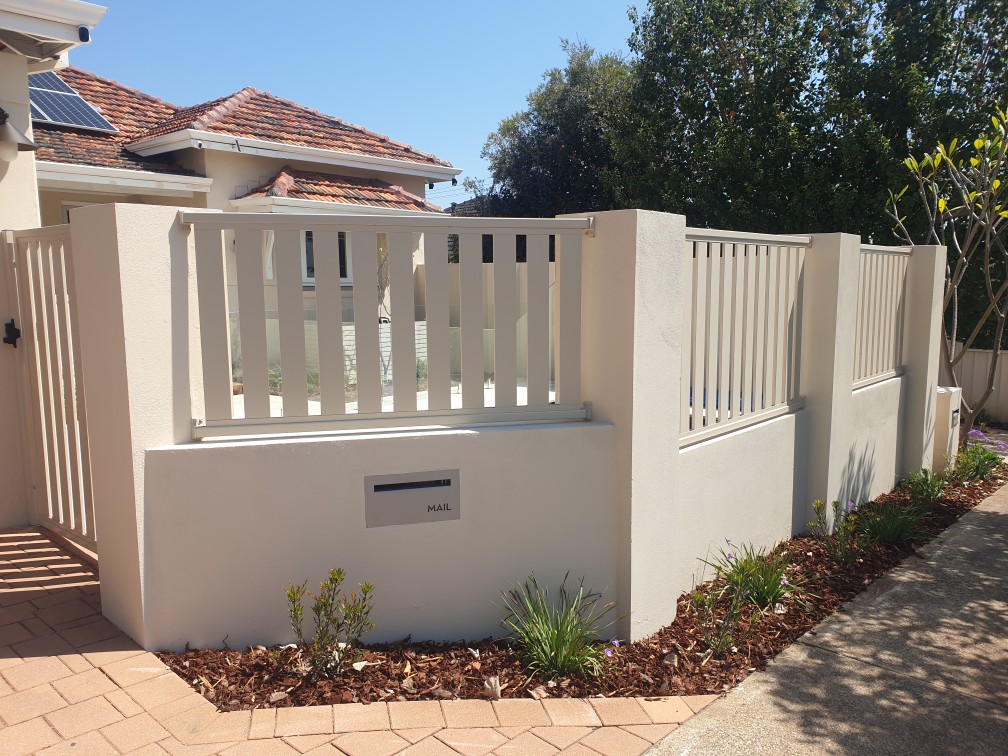
Custom mixes are becoming more common. Timber slats with steel frames or aluminum panels with screening elements. These combinations often deliver better performance, but they also demand more precision during fencing installations. Slight misalignment in mixed materials becomes more visible, and correcting it mid-project isn’t always straightforward.
The fencing installations process, from marking to building
The actual build phase of fencing installations tends to move quickly, but only if the groundwork is right. Layout marking is where accuracy either locks in or falls apart. String lines, measurements, and spacing decisions made here dictate how clean the final fence will look, especially over long stretches.
Post-installation is where structural integrity is decided. Depth matters more than most realize. In Perth, shallow posts might hold for a few months, but once wind and soil movement kick in, weaknesses show. Good fencing installations often spend more time on posts than panels, even if that doesn’t seem obvious during the build.
Once posts are set, the rest feels almost satisfying. Panels go up, lines become visible, and the property starts to feel enclosed. But even here, small misjudgements creep in, slight gaps, uneven heights, or tension in the rails. These aren’t always visible immediately, but over time, they influence how well fencing installations age.
Cost factors that influence fencing decisions locally
Talking about the price of fencing installations is rarely as simple as it looks on paper. A quote might look great at the start, but then the site reveals its little quirks. A bit of a slope, tight access, or tricky ground can push the budget out pretty quickly once you actually get on-site.
While the materials matter, labor is often the silent part of the bill. Custom fencing, especially when you’re mixing materials or wanting a specific finish, takes a lot more time and precision. Those extra hours on-site don’t always show up clearly in those early ballpark estimates.
There’s also the cost of getting it wrong. Rework, adjustments, or replacements can end up costing more than doing it properly the first time. Many try to cut corners on fencing installations, only to face repairs within a year or two. The savings rarely hold up under real conditions.
Cost Breakdown of Fencing Installations in Perth
|
Fence Type |
Average Cost (Per Metre) |
| Timber |
$75 – $120 |
| Colorbond |
$80 – $150 |
| Aluminium |
$100 – $200 |
| Custom fencing |
$150 – $300+ |
Mistakes seen repeatedly across Perth fencing jobs
One of the biggest mistakes people make is underestimating the ground here. Our sandy soil looks easy to work with, but that’s exactly why people compromise on post depth or reinforcement. The result is a fence that looks perfect on day one but starts to lean or shift as soon as the ground settles.
Drainage is another thing that gets overlooked. Even though we’re in a dry climate, water movement still matters, especially since failing to manage it could conflict with the Dividing Fences Act 1961 of Western Australia regarding property impact. If you ignore it during the install, you’ll end up with erosion around the posts or a fence that settles unevenly after the first big winter rain.
It’s easy to get caught up in the looks. Clean lines and modern finishes look fantastic on the first day, but if they aren’t built for the reality of the site, they just won’t last. A good fencing installation has to balance the pretty with the practical, even if that means a few design tweaks.
Trade-offs between aesthetics and structural strength
Everyone wants that slim, minimal look right now, but those designs often clash with what the structure actually needs to stay standing. Sharp, thin panels usually need a much stronger support system underneath than people realize.
Height is another trade-off. Taller fences offer privacy but increase wind resistance. In exposed areas of Perth, this becomes a genuine concern. Reinforcement can offset it, but that adds cost and complexity to fencing installations, which not everyone anticipates early on.
You also have to think about flexibility. A completely rigid design is going to struggle on uneven ground, while a more adaptable one might not look quite as polished. Most successful installs sit somewhere in the middle, balancing the look with the reality of the block.
Maintenance realities after installation is completed
Once fencing installations are done, attention usually shifts elsewhere. But fences don’t stay static. Timber fades, metal expands and contracts, and fixings loosen over time. Maintenance isn’t dramatic, but it’s consistent, and skipping it shortens the fence’s lifespan.
Our sun is brutal. Exposure alone can change how your materials look and feel in less than a year. If you aren’t keeping up with a bit of maintenance, you’ll start seeing uneven wear, especially on the side of the fence that cops the direct afternoon heat.
Small checks go a long way. Tightening screws, inspecting posts, and addressing minor shifts early can prevent larger issues. Most long-lasting fencing installations aren’t perfect; they’re just looked after regularly, which keeps problems from compounding.
Trends in Modern Fencing Installations in Perth
Fencing is no longer just functional. It’s stylish.
Popular trends include:
- Horizontal slat designs
- Mixed-material custom fencing
- Dark Colorbond finishes
- Integrated fence screening panels
- Smart gate systems
Fence extensions are also trending as homeowners upgrade existing fences rather than replacing them entirely.
Changing trends shaping modern Perth fencing designs
Design trends in fencing installations have shifted noticeably. There’s a move toward mixed materials, softer color palettes, and integrated screening. Privacy remains important, but it’s now paired with visual appeal rather than treated as a separate goal.
Fence extensions have quietly become more common. Instead of replacing entire structures, homeowners are modifying existing fencing installations to suit new needs. It’s cost-effective, but it also introduces structural considerations that aren’t always obvious at first.
Tech is definitely making its way into the backyard. Automated gates and smart locks are becoming standard in newer Perth builds. They’re great for convenience, but you really have to coordinate them during the build so you aren’t trying to retrofit cables later on.
Conclusion
Fencing installations are about more than just marking where your land ends. They’re about privacy, security, and making the place look good. Taking the time for a proper site inspection and a solid install ensures the fence actually stays up for the long haul.
If you’re planning to upgrade your property, now is the right time to act. A well-designed fence can completely transform your space while adding long-term value.
Get in touch to explore tailored fencing solutions built for Perth’s conditions and your specific needs.
FAQs
1. How long do Fencing Installations take in Perth?
Most jobs take about two to five days, depending on the size of the block and the soil. Of course, things like the weather or waiting on material can shift that timeline slightly, which is pretty standard for projects around here.
2. What is the average cost of fencing in Perth?
Costs for Fencing Installations vary widely, typically ranging from $75 to $300 per meter. Factors like material choice, terrain difficulty, and custom features such as fence screening influence the final price significantly.
3. Do neighbors have to share fencing costs?
In many Perth cases, dividing fence costs are shared between neighbors. However, agreements should be confirmed before Fencing Installations begin to avoid disputes or unexpected financial disagreements later.