
Imagine pulling up to your Perth driveway after a long day, pressing a button, and watching your gate glide open smoothly. No fumbling with keys in the dark, no crowding the road as traffic piles up behind you – just effortless access and peace of mind. Electric gates are more than fancy home accessories; they’re a smart blend of security, convenience and curb appeal.
In this guide we’ll walk you through everything about automatic gates from swing and sliding styles to essential safety features, real benefits, costs down under, and how to keep your gate humming along smoothly.
Types of Electric Gates
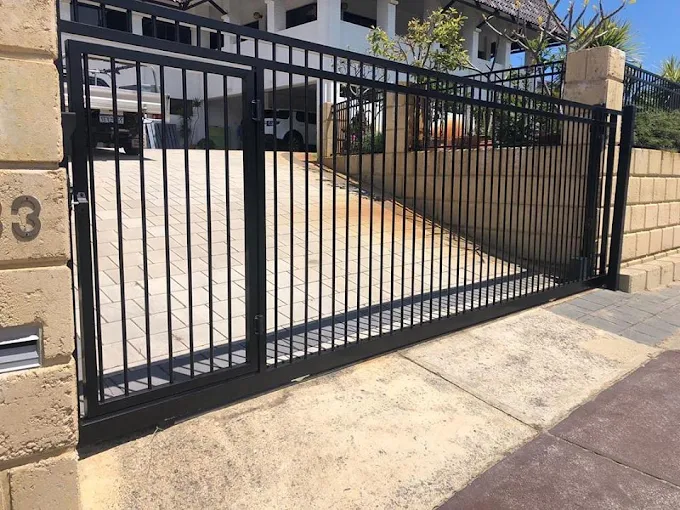
Electric gates come in several styles to suit different driveways and tastes. The most common are swing gates, which open like a pair of front doors, and sliding gates, which slide horizontally along a track or use a cantilever design (hang above the ground).
- Single and double swing gates – Like a classic set of saloon doors for your home, single-leaf or double-leaf swing gates are straightforward and elegant. They need space to swing out or in, so they work best on level driveways with enough room. A single swing gate is relatively affordable and popular on suburban homes; double swings (with two moving leaves) cost more but allow a wider entrance.
- Sliding gates – These are perfect for driveways with limited side space. Sliding gates roll sideways on a track, or use a cantilever arm so there’s no track on the ground. They pack a big gate into a small footprint. Sliding gates are great on sloping driveways or where swinging space is blocked by a fence or wall. Their tracks or rollers do need occasional cleaning, but they stay out of the way of parked cars.
- Telescopic and bi-fold gates – For very tight sites, telescopic sliding or bi-fold gates fold up like concertinas or collapse in sections. They save even more space but are more complex and higher cost. These multi-panel designs are eye-catching and often seen in modern builds.
- Vertical lift gates and barriers – Think of a barrier arm you see in car parks, or solid rise-up gates. A vertical lift gate rises straight up to create room. Boom barriers (steel arms) and bollard gates (rising posts) are usually used for vehicle control more than residential entrances, but they’re sometimes part of electric gate setups on driveways, especially for extra security in front of a garage.
Each type has a distinctive look and is suited to different needs. Swing gates offer a classic “chateau” style, sliding gates look sleek and modern, and folding or vertical gates are practical space-savers. Material choices (wood look, powder-coated steel, Colorbond panels, aluminium lattices) also affect style and price. In Perth’s sun, rust-resistant finishes and weatherproof materials are key.
Key Features & Safety of Electric Gates
Electric gates pack a lot of smart features under the hood. First up: openers and remotes. Almost all systems include a remote control or keypad, letting you open the gate from your car or on foot.
Modern gates often have smartphone apps or intercoms – imagine buzzing a visitor in from your phone while you’re at the beach! Access control systems (keypads, fobs, fingerprint readers) integrate easily, too, for added security.
Safety is huge with moving gates. Australian standards (AS/NZS 60335.2.103) require that gate motors “stop the second they feel an obstacle”. In practice this means every quality electric gate has force-limiters and sensors: if the gate bumps a person, pet, car or bin, it will immediately reverse or stop.
All modern systems must include photoelectric safety beams – those invisible infrared beams across the driveway – so that if anything crosses the beam (like your kid on a scooter!) the gate won’t close.
As one gate-safety guide notes, these beams make the gate “stop instantly” when someone walks through. You’ll often also get rubber safety edges on gate panels, which compress on contact, plus optional flashing lights or chimes that warn you the gate’s about to move. These features aren’t just techie add-ons—they’re legally required.
Beyond safety, look for features that suit your lifestyle. Do you need a manual release? (If the power goes out, this lets you open the gate by hand – a must-have during those rare storms that knock out power.) Some gates come with battery backup or even solar panels, so they keep operating if the juice disappears.
Weather resistance is key for Perth’s harsh climate: look for corrosion-resistant motors and materials (powder-coated or stainless steel). A warning lamp or buzzer is a neat touch for added flair and safety – it’s basically a ‘move along please’ signal before the gate glides.
Installation quality ties all this together. An automatic gate is heavy, technical machinery, and poor install can be a disaster. I always tell mates: it’s worth letting a pro handle it. Professionals will set the force correctly (so kids won’t get whacked by a runaway gate) and align the sensors just right.
For reliable service, check out specialist installers; for example, Precise Electric Gates Installation offers custom gate installation services (their team makes sure everything is set up to code and tested). A proper install means you won’t have to worry about your gate failing or voiding warranties. Remember: in Australia all gate automation must meet safety rules, so trust the experts to install it correctly.
Benefits of Electric Gates for Your Home
Electric gates deliver more than just a cool tech factor – they transform everyday living. Here’s why Perth homeowners love them.
If your gate includes electrical work, it’s worth using a licensed electrical contractor. You can check the Western Australian Government guidance on having electrical work done before arranging installation.
- Security and privacy: Your gate is the first line of defence. With remote access only for you and whoever you authorise, it’s like having a personal bouncer. Criminals are deterred when faced with a locked, motorised gate (many modern systems include anti-tamper locks). And if your gate is made of solid panels or tinted slats, it blocks prying eyes too. Industry experts estimate that a well-installed gate can even increase property value by 5–10%, since buyers love the added security and curb appeal.
- Convenience: This is the real “wow” factor for daily life. No more climbing out to open the gate when it’s chucking down with rain (something we appreciate on those rare cold Perth mornings!), or juggling groceries while juggling a key. With a click or a tap you’re in. Gates these days can tie into your home automation: my neighbour’s gate gives him a push notification when the kids come home from school. You can let the courier in remotely or lock everyone safely inside when you’re at work. It’s literally hands-off convenience.
- Enhanced style and view: OK, this is a bit “GQ”, but let’s be honest: a striking gate looks classy. Whether you go for a sleek steel and timber design or a minimalist aluminium style, it sets the tone for your home. On stifling summer nights it even cuts glare and dust. A trendy gate with downlights can accentuate your house’s facade, like a piece of modern jewellery for your driveway. Your friends (and the Insta followers) will notice.
- Safety (for loved ones and pets): If you have kids or dogs, an automatic gate is a lifesaver. It stops them darting out onto the road. (Many parents won’t install a family home without one.) It’s also safer for you – no manual doors that might swing back unexpectedly and whack someone. And since gates have those auto-reverse sensors, you never have to worry that a gate might slam on your dog’s tail.
All these perks add up: Gates in Australia aren’t just a luxury; they’ve become a practical must-have for many. Remember, beyond the bells and whistles, a gate’s usefulness comes from how it fits into your life. When I press my remote and watch the gate smoothly part like a welcoming door, I feel that it was worth every cent.
Cost Factors & Budgeting
Wondering what electric gates cost down under? The short answer is: it varies a LOT. Your final bill depends on gate size, style, materials, and features. But here are some ballpark figures (including installation):
| Gate Type | Typical Installed Cost (AU$) | Notes/References |
| Single Swing Gate | $5,800 – $9,900 | Standard driveway width. |
| Double Swing Gate | $7,700 – $14,500 | Two leaves, wider entrance (needs dual motors). |
| Sliding Gate | $3,800 – $9,200 | Includes track or cantilever; higher end for heavy-duty tracks. |
| Bi-fold (Telescopic) | $4,500 – $18,300 | Folding panels; great for tight spaces, but pricier. |
| Vertical Lift Barrier | $22,900+ | For commercial use (like parking barriers). Residential lifts ~above $10K. |
These ranges include the gate frame itself plus the motor kit, sensors, safety gear, and professional install. Don’t forget extras: smart access control (keypad or intercom), a solar panel system, fancy finishes, or a longer DIY prep (concrete posts, wiring) will add hundreds or thousands more.
For example, a good-quality motor kit alone is typically $700–$1,200, and safety sensors (photo beams) are around $150–$300. Labour for wiring and setup often runs another $500–$800.
A basic retro-fit motor on an existing gate (no panel work) might start around $1,500–$3,000. If you’re building a brand-new gate from scratch, expect the higher end of those tables. Remember, cheap DIY kits exist, but skimping on the motor or safety can cost you more in the long run. Quality installation is non-negotiable (see sidebar above).
A handy way to budget is to request quotes from a few installers. Compare what’s included: some quote “supply only” and others full service. And check local regulations – in Perth, if your gate opens onto a public road or is very tall, you might need a building permit or set-back, which can be a few hundred dollars extra.
Maintaining Your Electric Gate
Keeping your gate running smoothly is pretty straightforward – think of it like basic car care. With a little regular maintenance, most electric gates will operate trouble-free for years. Here’s a quick checklist:
- Lubricate moving parts: Every 6–12 months, apply a light lubricant to hinges, rollers, and the drive rack (for sliding gates). This stops squeaks and wear. Don’t use heavy grease that attracts dust; silicone or Teflon spray is better for tracks and rollers.
- Clean sensors and tracks: Wipe the photo-beam sensors and remove any spiderwebs or leaves – if the beam is blocked, the gate won’t close. For sliding gates, sweep the track clear of debris. Even bits of gravel can jam a gate!
- Check electrical connections: Look for any exposed wires or loose bolts at the gate motor. Harsh sun and sea air (even in Perth) can cause corrosion on connections. Tighten screws and replace frayed cables promptly.
- Test safety features: Put a wooden block or brick in the gate’s path and try closing it – it must automatically reverse. Test your remote, keypad, and manual release regularly to make sure everything works (you don’t want to discover a dead battery in your remote on a rainy night!).
- Solar/battery system: If you have a solar gate kit, keep the panel clean and shaded from bird droppings. Check the battery voltage annually and replace it roughly every 2–5 years (batteries like to die on cold winter mornings).
- Professional servicing: Think of an automatic gate like a car: even if it seems fine, get a pro to check it once a year. This catches subtle issues early. One gate specialist advises a full inspection yearly, looking at force settings, sensor alignment, and general wear. Many installers offer affordable service plans for this.
With these steps, your gate will swing or slide like new. Ignoring maintenance, on the other hand, is a false economy: a stuck gate might strand you, or worse, cause an accident if a sensor fails. Stay ahead of the game and the gate will keep running smoothly.
Conclusion
Electric gates offer Perth homes a perfect mix of style, security and 21st-century convenience. They keep pets and kids safe, cut noise and prying eyes, and turn your driveway into a statement of smart, modern living. Sure, they’re an investment – but for many locals the benefits far outweigh the costs.
Ready to enjoy hands-free access and that extra peace of mind? Chat with local specialists about a design that fits your property. If you’re in Perth and thinking of an upgrade, Precise Electric Gates Installation can provide a free quote on custom gate installation that meets all safety standards and looks great with your home. (Don’t wait until the next windy night or busy morning – an automatic gate could transform your daily routine!).
Frequently Asked Questions
Q: How much does an electric gate cost in Perth?
A: Around $1,500–$3,000 for basic automation, while custom electric gates can cost $6,000–$15,000+, depending on size, design and features.
Q: Swing gate or sliding gate—which is better?
A: Swing gates need more clearance, while sliding gates suit tight or sloped driveways. Your available space usually decides the better option.
Q: Are electric gates safe for children and pets?
A: Yes, when correctly installed with safety sensors, photo beams and auto-reverse features. Regular testing and servicing also help keep them safe.
Q: How often should electric gates be serviced?
A: Check them monthly and arrange professional servicing every 6–12 months. Regular cleaning, sensor checks and lubrication can prevent bigger problems.