

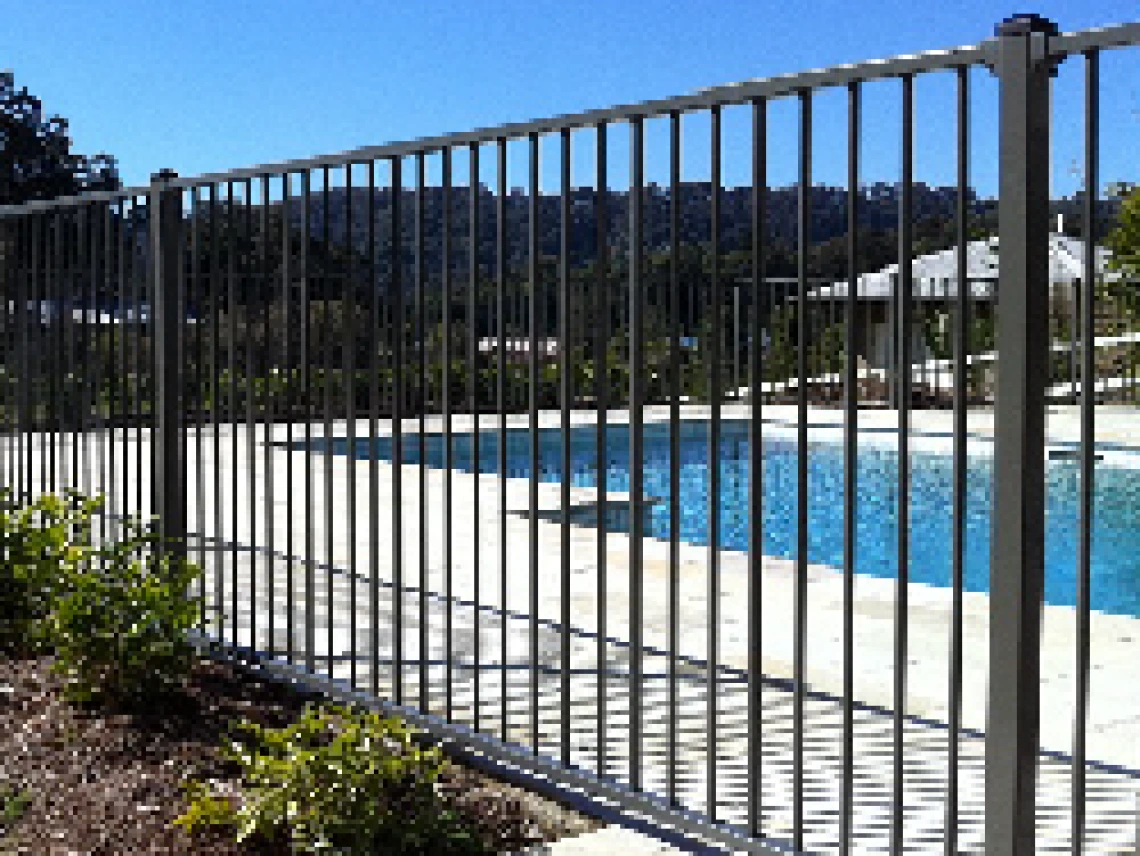
Summer in Perth is pure bliss—nothing beats lounging by the pool under the blazing sun. But one thing can put a dampener on the fun: a dodgy pool fence. A sturdy safety barrier isn’t just for show; it stands between little explorers (and pets) and deep water. I once leaned on our old pool gate only to hear a nasty creak—trust me, that reality check was worth fixing sooner rather than later.
In Western Australia, if your pool holds more than 300 mm of water, it must have a compliant barrier (by law). Councils in Perth conduct regular safety checks, and a broken gate or gap can earn you a building order or hefty fine. Bottom line: even a tiny squeak or wobble in your fence can spell big trouble.
Pools are fun, but they’re also the leading cause of accidental death for under-fives. A single faulty latch or rusted post can turn your relaxing swim into a crisis in seconds. Every summer I see stories of stressed-out parents who ignored “small” fixes until it was nearly too late.
We’re talking gates that don’t close, panels that sag, or a fence with gaps a toddler could squeeze under. Acting fast on these issues isn’t about overkill—it’s about safety. If you’ve spotted a problem, don’t shrug it off. Get a professional check. Better yet, let the pool fence specialists handle the tricky bits with quality gear and know-how.
Why Timely Pool Fence Repairs Matter
Western Australian rules make pool fences non-negotiable. As the WA Government bluntly puts it, “All private pools with water deeper than 30 cm must have safety barriers.” Breaching this means more than a slap on the wrist: it can mean legal trouble and serious safety risks.
In Perth, inspectors can show up at any time and they won’t ignore a rickety gate. In fact, most child drownings involving pools happen when a gate is propped open or a latch is broken. That means your job is to fix even the little things – a loose screw, a worn spring, or rust on a hinge – before they turn into tragedy.
Keeping your pool fence shipshape also saves you money. A minor repair now is way cheaper than a full replacement later. Take sagging panels or rusty fixings: they’ll only get worse with more sun, wind and winter rains. Plus, on a practical note, a solid fence keeps you covered when you sell or rent.
By law in WA, you need a current compliance certificate for your pool. It’s far easier to stay compliant than scramble at the last minute to fix dozens of issues after a fail. I’ve learned that a quick yearly check (maybe with a cuppa in hand) prevents surprise orders and lets you keep enjoying poolside peace of mind.
7 Pool Fence Repairs You Can’t Ignore
Here are the top seven repairs that should be on your radar ASAP. I’ve seen all of these in action (sometimes the hard way), and ignoring them is a recipe for headache. Most are quick fixes for a pro – far better to get them done now than “handle it later.”
1. Faulty Gate Latch or Hinge
Your pool gate is the gateway to safety. If it doesn’t self-close or latch perfectly, it might as well be open. Kids love doors, and a stuck latch is an invitation. Common culprits are worn springs, misaligned hinges or a bent latch catch. I’ve had gates that stopped self-closing after a few Perth storms; the next step was a tag-team with a screwdriver and a friendly fence mechanic.
Don’t wait until you hear a child laugh on the other side of a “closed” gate. Replace bad springs or buy a new latch kit from Bunnings if you’re handy, or just call the pros. Fixing the latch is usually quick (often under $100), and it’s one of the simplest ways to keep your fence compliant and kid-safe.
2. Loose or Sagging Fence Panels
A pool fence should stand firm. If you can push a section and it moves, that’s a red flag. Posts can loosen in the ground or concrete over time, letting panels sag or wiggle. A sagging fence not only looks dire, it creates gaps where little ones could slip. Often, the ground shifts or dry weather cracks the concrete footing. If a panel droops or there’s a step-down in height, it needs re-setting.
Tightening screws or adding new post supports can work, but often it’s best to have a fence specialist adjust or re-set the posts. In my experience, tightening everything up today prevents a full panel replacement tomorrow. On the bright side, most fence pros can fix this on one visit – they assess the barrier and tighten or reset on the spot.
3. Rusty or Corroded Metal Fittings
Even if your pool fence is aluminium (which resists rust), hardware like screws, brackets and hinges can still corrode in Perth’s climate. Keep an eye out for orange or white speckles on metal, or any flaking paint.
Rust weakens metal fast, meaning a fence part could snap under pressure. Corroded screws can shear off, making the whole structure wobbly. The fix? Replace rusty bits immediately.
For example, swapping an old screw for a stainless one only takes a minute and stops further damage. You can DIY this easily, but if you spot widespread corrosion, get a pro in to refinish or replace panels. Trust me, a rust-free fence will last years longer and keep its strength where it matters.
4. Tears or Holes in Mesh or Panels
Mesh pool fences look simple, but one tear can ruin the whole barrier. Even acrylic or fabric mesh can snag on branches or pool toys. A small hole starts small and can quickly grow – it’s like having a chain fence with gaps. If your fence material has any tears or punctures, patch it or replace it straight away.
Many DIY mesh repair kits exist for tiny rips, but large holes or multiple tears mean new panels. The same applies to rigid fences: if a slat or panel is broken or missing, it’s a weak spot. Think of it this way – a single tear in the fence is an open invitation. Fix it now before a little rip becomes a dangerous loophole.
5. Cracked or Broken Glass Panels
If you’ve got a glass pool fence, even a hairline crack is urgent. Toughened glass can shatter unpredictably under stress, heat or an accidental knock. A crack weaves out across the panel in no time, turning the entire section unsafe.
We’ve seen in Perth how a pop can suddenly beam panic into a backyard – it’s not pretty and certainly not safe. The moment you notice a chip or crack, mark off that section and replace the panel.
Most glass fencing companies can swap one panel without gutting your whole fence. Yes, it’s pricier than a latch fix (think a few hundred dollars per panel), but a shattered fence gains no awards. Better to replace a panel now than wait for a family-sized disaster.
6. Rotted or Damaged Timber Components
Wooden fences (or any timber in your barrier) bring warmth and style, but Perth’s sun and occasional rain can rot or warp them over time. Check for mushy posts, termites holes or warped pickets. Once wood starts to give way, it won’t hold the fence up or keep kids out. Luckily, you usually only need to swap the bad bits.
Pull out the rotten post or slat, set in a new treated timber piece with concrete, and prime/paint it. If you spot termite damage (blisters or tunnels in the wood), call an expert immediately. A fence with hidden rot is like a table with a broken leg – stable until it suddenly isn’t. Keeping the timber in shape keeps the whole fence rigid.
7. Excessive Gaps or Fence Settling
Even a solid fence can become unsafe if it shifts. Perth’s soils can settle, especially after big rains, leaving a gap at the bottom that’s over the legal 100 mm limit. A gap like that could let a toddler wriggle under.
Also watch for fences that “sink” on one side after earthworks. If you see a foot-wide gap or a noticeable tilt, don’t ignore it. You can often tighten footings or add packers under the fence legs to lift it back up.
For larger dips, a professional lift or re-anchor of the fence might be needed. Ensuring the bottom clearance stays under 10 cm is a simple fix – sometimes all it needs is a little leveling of the ground or refastening the base. It sounds minor, but that tiny gap is crucial to keep shut.
Got questions or feeling unsure? Don’t wait for a pool inspection to point these out. If any of these issues sound familiar, make the call. Your friendly local pool fence specialists can book you in, often within a day or two, to fix problems before they snowball.
It’s way less stress (and cheaper) to nip these in the bud. After all, every summer splash should be carefree. A quick repair today keeps the barbie vibes going tomorrow.
Ready to give your pool fence a health-check? Don’t put it off – make it happen! Reach out to a qualified fence team now and rest easy all season knowing your pool barrier is 100% safe and compliant.
Frequently Asked Questions
Q: How do I know if my pool fence needs repair?
A: Walk around your fence and look for obvious faults. Common signs are a gate that doesn’t close or latch, panels that lean or wobble, rust on metal parts, cracks in glass, or gaps under the fence bigger than 10 cm. Even small tears in mesh or loose screws count. If anything feels loose when you push on the fence, it likely needs attention. Basically, if something is broken or not quite right, treat it as urgent.
Q: What are the penalties for ignoring pool fence issues in Perth?
A: In WA, non-compliance is serious. You could face a building order to fix your fence immediately – and if you still don’t comply, hefty fines can follow. On top of that, without a valid safety barrier, your insurance might not cover any pool-related accidents. The real penalty, though, is the safety risk: a broken fence increases the chance of a child drowning. So fixing problems fast is in everyone’s interest.
Q: Can I repair my pool fence myself or should I hire a professional?
A: It depends on the repair. Simple fixes like tightening screws, replacing a gate spring, or patching a small mesh hole you can do yourself with basic tools. However, for anything structural – like resetting posts, replacing glass panels, or major rust – it’s safer to call a professional. They have the right tools and know the local compliance rules. Remember, a poor DIY job could fail an inspection, so choose wisely.
Q: How often should I have my pool fence inspected?
A: It’s a good idea to give your fence a quick visual check every few months (especially before summer). Look for the issues we’ve mentioned. A more thorough inspection by a qualified fence expert is recommended at least once a year. If you’re selling or renting your home, WA law requires an official pool safety compliance certificate, so a professional check becomes mandatory then. Regular checks keep you on top of any repairs before they snowball.