
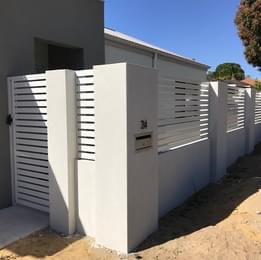
Aluminium slat fences have surged in popularity across Australian suburbs, but you might be wondering: are aluminium slat fences worth it? In short, they combine modern aesthetics with long-lasting durability. For homeowners in Australia, they offer a balance of privacy, style, and low maintenance, making them a practical investment for your property.
Why Aluminium Slat Fences Are Popular
Aluminium slat fences provide a contemporary look that complements a variety of home designs, from modern townhouses to traditional suburban homes. Unlike timber, aluminium doesn’t warp, rot, or attract termites, which is a significant advantage in Australian climates prone to heat and humidity.
Beyond aesthetics, these fences are lightweight yet sturdy, offering security without feeling imposing. Many residents choose aluminium slats for their flexibility in spacing and design, allowing for customised privacy levels and airflow.
Durability and Maintenance Benefits
One of the main reasons people ask are aluminium slat fences worth it is the long-term cost of upkeep. Aluminium fences are corrosion-resistant and can handle exposure to sun, rain, and coastal salt air better than timber or steel alternatives.
Maintenance is minimal — occasional washing to remove dirt or debris and a fresh coat of paint or powder coating every several years is typically all that’s required. This low-maintenance nature saves time and money over the life of the fence.
Key Advantages at a Glance:
- Rust-resistant: Ideal for coastal and humid areas
- Long-lasting: Can last 15–20 years with minimal upkeep
- Low maintenance: No sanding, staining, or sealing required
- Customisable: Adjustable slat spacing and colour options
- Lightweight yet strong: Easy to install without compromising security
Cost Considerations
While aluminium slat fences often come with a higher initial price than timber or chain-link options, the longevity and low maintenance usually offset this over time. Homeowners who choose aluminium often find they save on repairs, replacements, and ongoing treatments.
Additionally, the modern look can increase your property’s curb appeal and potential resale value. It’s worth factoring in installation costs, material quality, and the complexity of your design when comparing options.
Environmental and Safety Factors
Aluminium is 100% recyclable, making slat fences an environmentally conscious choice. They also eliminate the risks associated with timber fences, such as splinters or termite damage. For families, aluminium slat fences offer a safer boundary option, particularly around children and pets.
When to Call a Professional
Installing an aluminium slat fence might seem straightforward, but achieving the correct alignment, spacing, and secure posts requires expertise. ALISLAT Fencing and Gates can ensure your fence is installed according to Australian standards, with precision that avoids warping or instability over time. Professionals also handle powder coating and specialised finishes that enhance durability and aesthetics.
Conclusion
So, are aluminium slat fences worth it? For most Australian homeowners, the answer is yes. They offer long-term value through durability, low maintenance, and a sleek, modern appearance. Whether you’re enhancing privacy, boosting curb appeal, or safeguarding your property, aluminium slat fences are a reliable choice. Trust ALISLAT Fencing and Gates to provide professional installation and expert guidance for your next fencing project.
FAQ
Q1: How long do aluminium slat fences last in Australia?
Most aluminium slat fences can last 15–20 years with minimal maintenance, even in harsh sun or coastal conditions.
Q2: Can aluminium slat fences be customised?
Yes, slats can be adjusted in spacing, colour, and orientation to suit privacy, airflow, and aesthetic preferences.
Q3: Are aluminium slat fences more expensive than timber?
Initial costs are higher, but reduced maintenance and long-term durability often make aluminium more cost-effective over time.
Q4: Do I need a professional to install aluminium slat fences?
Professional installation ensures correct alignment, stability, and compliance with Australian standards, preventing issues like warping or loose panels.